

Benefits of Concrete Retaining Walls
Updated: 4 days ago

Benefits of Concrete Retaining Walls
Retaining walls are essential structures in landscaping and construction, designed to hold back soil and prevent erosion. Among the various materials available, concrete stands out as a popular choice due to its durability and versatility. This article explores the many benefits of concrete retaining walls and why they are a smart investment for both residential and commercial
properties.
Advantages of Concrete Retaining Walls
Concrete retaining walls offer numerous advantages that make them a preferred option for many projects. Here are some key benefits:
Durability and Strength: Concrete is known for its robustness. It can withstand heavy loads and harsh weather conditions without deteriorating quickly. This makes concrete retaining walls ideal for supporting large amounts of soil and resisting erosion over time.
Low Maintenance: Unlike wood or other materials that may rot, warp, or require frequent painting, concrete walls need minimal upkeep. Occasional cleaning and inspection are usually sufficient to keep them in good condition.
Versatility in Design: Concrete can be molded into various shapes and sizes, allowing for creative and customized designs. Whether you want a simple, functional wall or an aesthetically pleasing feature, concrete can meet your needs.
Cost-Effectiveness: While the initial installation cost might be higher than some alternatives, the long lifespan and low maintenance costs make concrete retaining walls a cost-effective solution in the long run.
Environmental Benefits: Concrete walls can help manage water runoff and reduce soil erosion, contributing to better land management and environmental protection.

Benefits of Concrete Retaining Walls in Landscaping and Construction
Concrete retaining walls are not just functional; they also enhance the visual appeal and usability of outdoor spaces. Here’s how they benefit landscaping and construction projects:
Maximizing Usable Space: By holding back soil on sloped terrain, retaining walls create flat, usable areas for gardens, patios, or driveways. This is especially valuable in hilly or uneven landscapes.
Preventing Soil Erosion: Retaining walls stabilize soil and prevent it from washing away during heavy rains. This protects your property and nearby structures from damage.
Improving Drainage: Properly designed concrete retaining walls can include drainage systems that direct water away from foundations and prevent waterlogging.
Enhancing Property Value: Well-constructed retaining walls add to the curb appeal and functionality of a property, potentially increasing its market value.
Supporting Infrastructure: In commercial and public projects, retaining walls support roads, bridges, and other infrastructure by stabilizing slopes and preventing landslides.
How thick does a concrete retaining wall need to be?
The thickness of a concrete retaining wall depends on several factors, including the height of the wall, the type of soil, and the load it needs to support. Here are some general guidelines:
For walls up to 3 feet high: A thickness of 6 to 8 inches is usually sufficient.
For walls between 3 and 6 feet high: Thickness should increase to 8 to 12 inches.
For walls over 6 feet high: Thickness may need to be 12 inches or more, often requiring reinforcement with steel bars (rebar).
Soil type and drainage: Clay soils exert more pressure than sandy soils, so walls retaining clay may need to be thicker or reinforced.
Additional support: Taller walls often require footings and drainage systems to ensure stability.
Consulting with a structural engineer or professional contractor is recommended to determine the exact specifications for your project.
Installation Process and Best Practices
Installing a concrete retaining wall involves several steps to ensure it is strong and long-lasting:
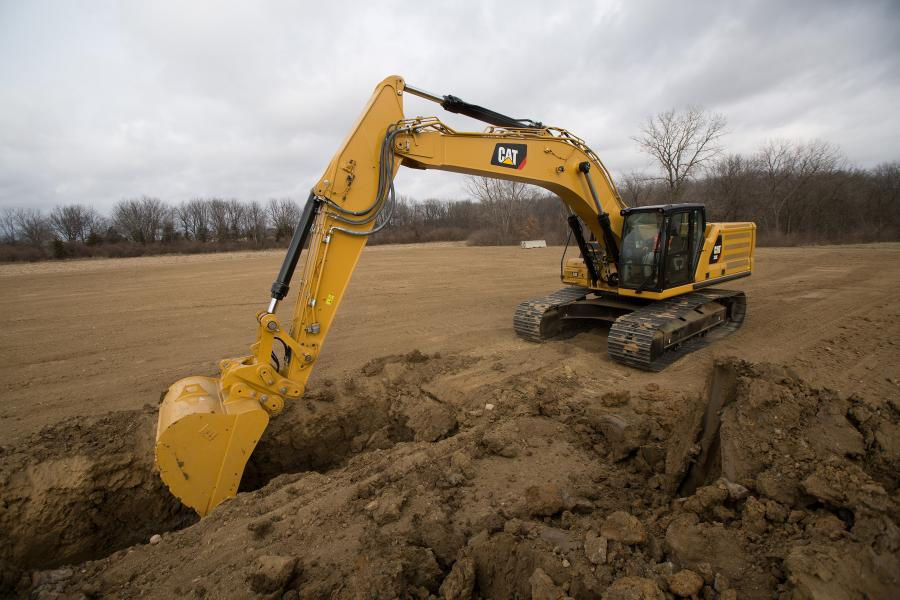
Site Preparation: Clear the area and excavate to the required depth. Proper leveling is crucial.
Foundation Construction: Pour a concrete footing that is wider and deeper than the wall to provide a stable base.
Formwork Setup: Use wooden or metal forms to shape the wall before pouring concrete.
Reinforcement: Place steel rebar inside the forms to add strength and prevent cracking.
Concrete Pouring: Pour concrete into the forms and vibrate to remove air pockets.
Curing: Allow the concrete to cure properly, usually for at least a week, to reach full strength.
Drainage Installation: Incorporate drainage pipes or gravel backfill to prevent water pressure buildup behind the wall.
Backfilling: Carefully backfill soil behind the wall, compacting it in layers to avoid settling.
Following these best practices ensures the wall performs well and lasts for decades.
Maintenance Tips for Longevity
Even though concrete retaining walls are low maintenance, some care can extend their lifespan:
Regular Inspections: Check for cracks, bulges, or signs of water damage at least once a year.
Clean Debris: Remove leaves, dirt, and other debris that can trap moisture against the wall.
Control Vegetation: Avoid planting large trees or shrubs too close to the wall, as roots can cause damage.
Repair Promptly: Address minor cracks or drainage issues quickly to prevent bigger problems.
Sealant Application: Applying a concrete sealant can protect the wall from moisture and freeze-thaw damage.
By following these tips, you can keep your retaining wall in excellent condition for many years.
Enhancing Outdoor Spaces with Concrete Retaining Walls
Concrete retaining walls are not only practical but can also be a design feature that enhances your outdoor living space:
Create Terraces and Levels: Use retaining walls to build terraces for gardens, seating areas, or walkways.
Incorporate Lighting: Embed LED lights into the wall for safety and ambiance.
Add Seating: Design walls with wide tops to serve as benches.
Use Decorative Finishes: Stamped or colored concrete can mimic stone or brick for a more attractive look.
Combine with Landscaping: Plant flowers, shrubs, or vines near the wall to soften its appearance and blend it with nature.
These ideas can transform a simple retaining wall into a beautiful and functional part of your property.
Investing in concrete retaining walls offers a durable, versatile, and cost-effective solution for managing soil and enhancing outdoor spaces. Whether you need to prevent erosion, create usable land, or add aesthetic value, concrete retaining walls provide long-lasting benefits that make them a wise choice for many projects.
Need a concrete driveway, patio, retaining wall or a slab in Dallas /Ft. Worth? Midtex Services LLC has been doing it right for over 30 years.
Call 972.880.9459 or visit midtexservices.com online to request a free quote today.
Midtex Services LLC serves the entire Dallas–Fort Worth metro.


Comments