

Retaining Wall Cost: Factors Influencing the Cost of a Concrete Retaining Wall
Updated: Sep 17

Retaining Wall Cost
Building a concrete retaining wall is a significant investment for any property. Whether it is for residential landscaping or commercial site development, understanding the factors that influence the cost is essential. This knowledge helps in planning budgets, selecting materials, and choosing the right contractor. In this post, I will walk you through the key elements that affect the price of a concrete retaining wall, providing clear and practical insights.
Retaining Wall Cost Analysis: What Drives the Price?
Several factors come into play when determining the cost of a concrete retaining wall. These include the size and height of the wall, the type of concrete used, site conditions, labor costs, and additional features such as drainage systems or decorative finishes. Each of these components can significantly impact the overall expense.
Size and Height of the Wall
The dimensions of the retaining wall are among the most straightforward cost drivers. Taller and longer walls require more materials and labor. For example, a 4-foot high wall will generally cost less than an 8-foot high wall because it needs less concrete and reinforcement.
Length: The longer the wall, the more concrete and labor are needed.
Height: Taller walls require stronger foundations and more reinforcement.
Thickness: Depending on soil pressure and design, thickness may vary, affecting material use.
Type of Concrete and Reinforcement
Concrete comes in different grades and mixes, which influence durability and cost. Standard concrete is less expensive but may not be suitable for all retaining wall applications. Higher-strength concrete or specialty mixes designed for freeze-thaw resistance or water exposure will increase costs.
Reinforcement with steel rebar or mesh is necessary for structural integrity, especially for taller walls. The amount and type of reinforcement depend on engineering requirements and local building codes.
Site Conditions and Preparation
The condition of the site where the wall will be built plays a crucial role in cost. Factors such as soil type, slope, accessibility, and existing structures can add complexity.
Soil Type: Rocky or unstable soil may require excavation or soil stabilization.
Slope: Steep slopes might need additional support or terracing.
Accessibility: Difficult access can increase labor time and equipment costs.
Drainage: Proper drainage systems prevent water pressure buildup behind the wall, which is essential for longevity but adds to the cost.
Is Poured Concrete Retaining Wall Cheaper Than Block?
When deciding between poured concrete and concrete block retaining walls, cost is a common consideration. Poured concrete walls are formed on-site using molds, while block walls are assembled from pre-made concrete blocks.
Cost Comparison
Poured Concrete: Generally, poured concrete walls have a higher upfront cost due to the need for formwork, skilled labor, and curing time. However, they offer superior strength and durability.
Concrete Block: Block walls tend to be less expensive initially because blocks are mass-produced and easier to install. They also allow for quicker construction.
Long-Term Value
While block walls may save money upfront, poured concrete walls often require less maintenance and have a longer lifespan. This can translate into cost savings over time.
Design Flexibility
Poured concrete allows for more customization in shape and finish, which can be important for certain projects. Block walls are more limited in design but can be enhanced with veneers or caps.
In summary, poured concrete walls might not be cheaper initially but can offer better value depending on the project requirements.
Labor and Equipment Costs
Labor is a significant portion of the total cost. Skilled workers are needed to ensure the wall is built correctly and safely. Labor costs vary by region and the complexity of the project.
Skilled Labor: Concrete pouring and finishing require experienced workers.
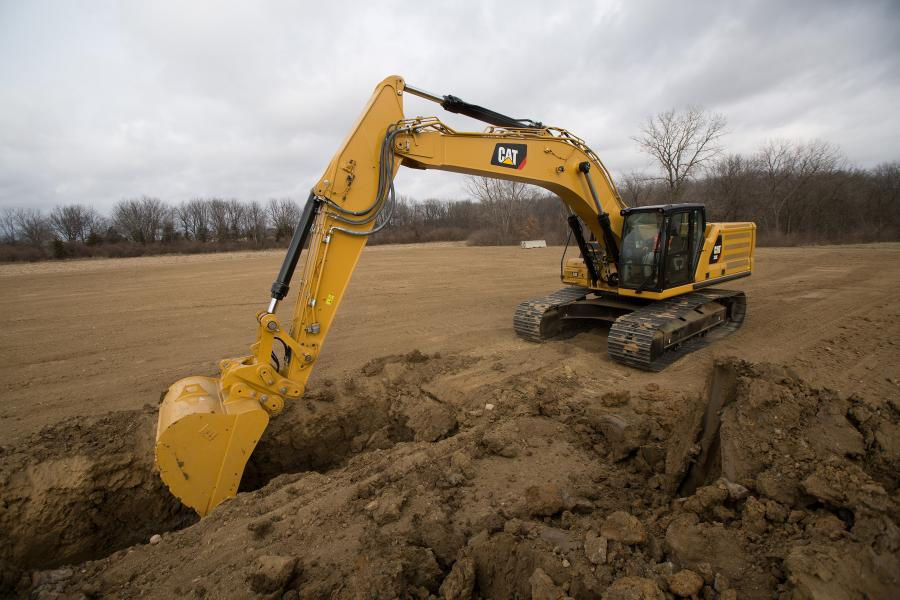
Excavation: Heavy equipment may be needed to prepare the site.
Time: Longer projects increase labor costs.
Equipment rental or ownership also factors into the price. For example, cranes or concrete pumps may be necessary for large walls.
Additional Features and Finishes
Adding features to a retaining wall can enhance its appearance and functionality but will increase costs.
Drainage Systems: Installing weep holes, gravel backfill, or drainage pipes prevents water pressure buildup.
Surface Finishes: Stamping, staining, or painting concrete adds aesthetic appeal.
Caps and Coping: These protect the top of the wall and provide a finished look.
Landscaping Integration: Incorporating planters or lighting can raise the price.
These extras should be considered carefully to balance budget and desired outcomes.
Planning and Budgeting for Your Retaining Wall Project
Understanding the factors above helps in creating a realistic budget. It is advisable to get multiple quotes from reputable contractors who can assess your site and provide detailed estimates.
For those interested in a more precise figure, researching the cost to build a concrete retaining wall can provide valuable benchmarks.
Tips for Cost Management
Define Your Needs: Clarify the wall’s purpose and design requirements.
Choose Materials Wisely: Balance cost and durability.
Prepare the Site: Address any site challenges early.
Plan for Extras: Include drainage and finishes in your budget.
Hire Experienced Contractors: Quality workmanship reduces future repairs.
Final Thoughts on Retaining Wall Investment
A concrete retaining wall is a long-term investment that adds value and functionality to your property. By understanding the factors influencing cost, you can make informed decisions that align with your budget and project goals. Careful planning, material selection, and professional installation are key to achieving a durable and attractive retaining wall.
If you are considering a retaining wall project, take the time to evaluate these factors thoroughly. This approach ensures you get the best results without unexpected expenses.
Need a retaining wall built or replaced in DFW? Midtex Services LLC builds poured concrete and block retaining walls for residential and commercial properties.
Call 972.880.9459 or visit midtexservices.com to request a free quote today.
Midtex Services LLC serves the entire Dallas–Fort Worth metro.


Comments