
Concrete Retaining Wall Cost Guide
- Tim Orth

- Jun 13
- 4 min read
Updated: 7 days ago
Building a concrete retaining wall is a practical solution for managing soil erosion, creating level areas on sloped land, and enhancing the aesthetic appeal of your property. Whether you are a homeowner or a commercial business in the Dallas/Fort Worth area, understanding the costs involved in constructing a concrete retaining wall is essential for budgeting and planning your project effectively. In this guide, I will walk you through the key factors that influence the price, the types of concrete retaining walls, and how to make informed decisions to get the best value for your investment.
Understanding Retaining Wall Cost Factors
The cost of a concrete retaining wall depends on several variables. These include the size and height of the wall, the type of concrete used, site conditions, and labor expenses. Here are the main factors to consider:
Wall Height and Length: Taller and longer walls require more materials and labor, increasing the overall cost.
Type of Concrete: Poured concrete, precast blocks, or segmental concrete blocks each have different price points.
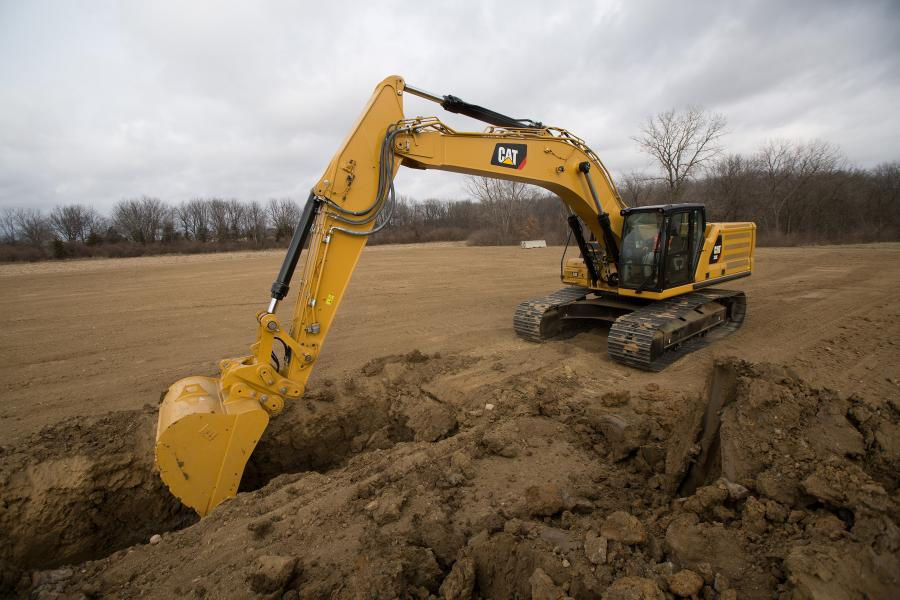
Site Preparation: Excavation, grading, and soil stabilization can add to the cost, especially if the terrain is uneven or difficult to access.
Drainage Systems: Proper drainage behind the wall is crucial to prevent water pressure buildup, which can affect the wall’s durability.
Labor Costs: Skilled labor is necessary for a structurally sound wall, and rates vary depending on the contractor and project complexity.
For example, a 4-foot high, 50-foot long poured concrete retaining wall on flat terrain will cost less than a 6-foot high wall on a steep slope requiring extensive excavation and drainage work.

Typical Retaining Wall Cost Breakdown
When budgeting for a concrete retaining wall, it helps to understand the typical cost components. Here is a general breakdown:
Materials: Concrete mix, reinforcement steel (rebar), formwork, and drainage materials.
Labor: Excavation, forming, pouring, finishing, and cleanup.
Equipment: Rental of mixers, compactors, and other machinery.
Permits and Inspections: Local regulations may require permits and inspections, adding to the cost.
Additional Features: Decorative finishes, caps, or lighting can increase expenses.
On average, the cost to build a concrete retaining wall ranges from $25 to $50 per square foot. This range varies based on the factors mentioned above. For a 50-foot long wall that is 4 feet high, expect to pay between $5,000 and $10,000.
If you want a detailed estimate tailored to your project, consider consulting with a local contractor who can provide a precise quote based on your site conditions and design preferences.
Is poured concrete retaining wall cheaper than block?
One common question is whether poured concrete retaining walls are more cost-effective than block walls. The answer depends on several factors:
Material Costs: Poured concrete typically requires more upfront material costs due to the need for formwork and reinforcement. Concrete blocks are manufactured offsite and can be less expensive per unit.
Labor Intensity: Poured concrete walls require skilled labor for forming and pouring, which can increase labor costs. Block walls involve stacking and mortaring, which may be faster but still labor-intensive.
Durability and Maintenance: Poured concrete walls tend to be stronger and more durable, potentially reducing long-term maintenance costs.
Design Flexibility: Poured concrete allows for more custom shapes and finishes, which can add to the cost but improve aesthetics.
In many cases, poured concrete walls are slightly more expensive upfront but offer better longevity and structural integrity. Block walls may be cheaper initially but could require repairs or reinforcement sooner.

How to Save on Concrete Retaining Wall Costs
While concrete retaining walls are an investment, there are ways to manage costs without compromising quality:
Plan the Wall Size Carefully: Avoid overbuilding by designing the wall to meet your actual needs.
Choose Simple Designs: Complex shapes and finishes increase labor and material costs.
Prepare the Site Yourself: If possible, handle some site preparation tasks like clearing vegetation or minor grading.
Compare Contractor Quotes: Get multiple estimates to find competitive pricing.
Use Local Materials: Sourcing materials locally can reduce transportation costs.
Schedule During Off-Peak Seasons: Contractors may offer better rates during slower periods.
By applying these strategies, you can keep your project within budget while ensuring a durable and attractive retaining wall.
Final Thoughts on Retaining Wall Cost Planning
Investing in a concrete retaining wall is a smart choice for managing landscape challenges and enhancing property value. Understanding the factors that influence cost helps you make informed decisions and avoid surprises during construction. Remember to consider not only the initial price but also the long-term benefits of durability and low maintenance.
If you want to explore the cost to build a concrete retaining wall in detail, consulting with experienced contractors in the Dallas/Fort Worth area is a good next step. They can provide tailored advice and ensure your project is completed on time and within budget.
With careful planning and professional guidance, your concrete retaining wall will serve your property well for many years.


Comments